Every parent knows the struggle of getting a toddler to brush their teeth without turning the bathroom into a war zone. What if brushing time could be a time of play, connection, and laughter?
Good oral hygiene is something that needs to be taught early on with toddlers, but how you go about it is so much more important. If you can have fun, brushing is a habit that will last.
Let’s find fun, stress-free ways to make toothbrushing enjoyable for toddlers so your child learns good habits and has fewer tantrums at the sink.
Why Brushing Matters So Much for Toddlers
Even baby teeth are crucial. They assist toddlers in chewing, talking, and smiling confidently. Even more significantly, healthy baby teeth set the stage for healthy adult teeth. Forgetting about oral hygiene in early childhood can result in:
- Painful cavities
- Speech delays
- Gum problems
- Costly dental work down the line
Teaching your child to brush now prevents you from having future dental issues.
Why Toddlers Don’t Like Brushing Their Teeth
You’re not alone if your toddler freaks at the mention of a toothbrush. Resistance is natural, and most often it comes from:
- Sensory discomfort
- Power struggles
- Boredom
- Fear of the unknown
Once you know the “why,” you can introduce creative solutions.
How Do You Make Toothbrushing a Fun Routine?
Brushing does not have to be dull. Get your toddler involved and excited with these fun ideas:
Make Brushing a Game
- Have a race against the clock and see who can brush faster!
- Act as if you are searching for “sugar bugs” hiding between teeth.
- Create silly faces together when brushing in front of the mirror.
Let Them Choose
- Let the children pick their own toothbrushes.
- Provide fun choices, like sparkly handles, animal designs, or their favorite cartoon character.
- Always select a child-friendly flavor like bubblegum, strawberry, or watermelon.
Use Brushing Songs or Videos
- Play a little 2-minute brushing song to get everyone in the mood.
- Lots of apps and YouTube channels have toddler-friendly content that makes brushing fun with music and animation.
Offer Rewards
- Use a sticker chart or small non-food rewards to develop motivation.
- Praise progress, not perfection.
Should You Brush with Your Toddler?
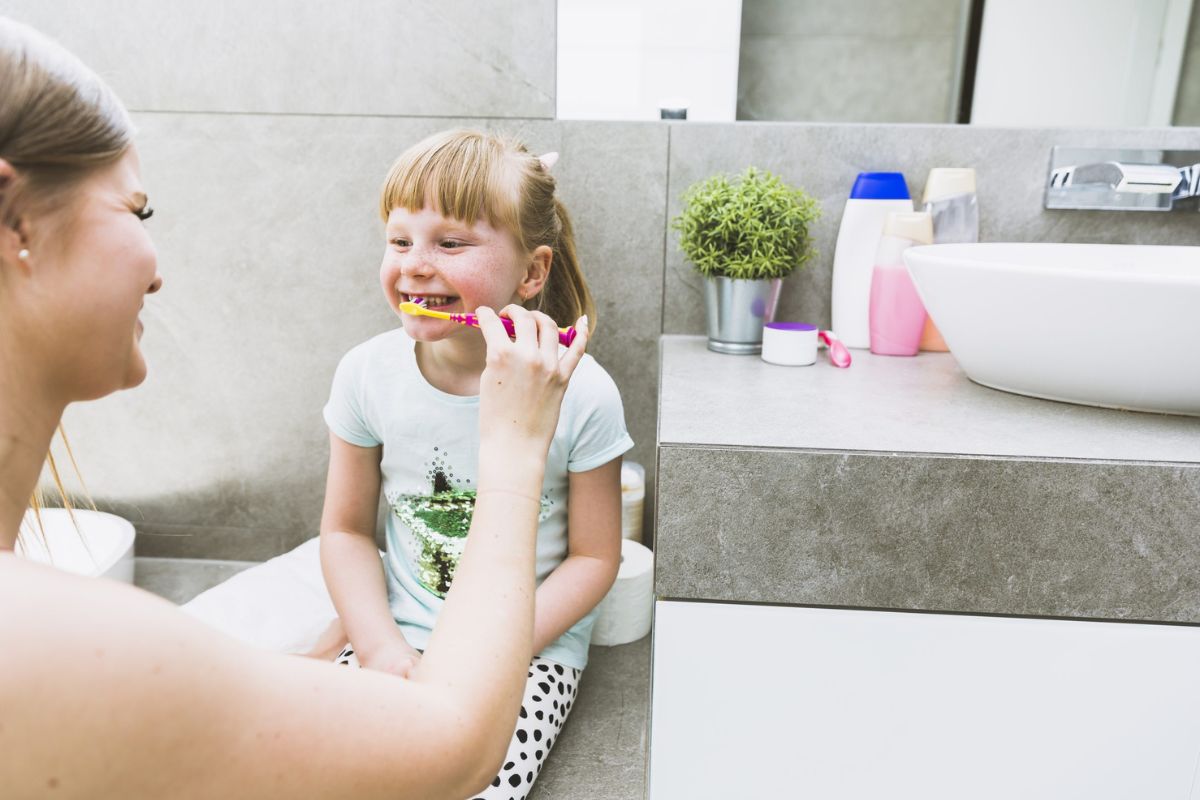
Absolutely! Toddlers learn through imitating you. Brushing together demonstrates the proper way and makes the process more engaging for them.
Pro tip: Begin by brushing your teeth in exaggerated movements and smiling. Then allow them to try to imitate you with their toothbrush.
How Frequently Should Toddlers Brush Their Teeth?
As per pediatric dental recommendations:
- Two times a day
- Two minutes both times
- Apply a smear of fluoride toothpaste
- Supervise and assist with brushing until about age 6.
Can Role-Playing Make Teeth Brushing More Enjoyable?
Of course! Children adore pretending. Incorporate toys, stuffed animals, or dolls into your brushing routine.
Role-Play Ideas to Try:
- Brush Teddy’s Teeth: Have your child brush their “toothed” toy first.
- Be the Dentist: Have your toddler play the dentist, and you are the patient.
- Story Time: Create a bedtime story about a very brave dinosaur who brushes nightly.
These little activities create comfort and confidence.
What Tools Can Make Brushing Easier and More Effective?
Technology today can make brushing more fun, more convenient, and safer for kids. Although the best brush is one that will actually get used by your child, you can also look at:
- Electric toothbrushes with lights or music
- Silicone finger brushes for toddlers
- Toothbrushing apps that reward consistency
Visiting the dentist every so often also works to cement everything you’re doing in the home. If toddlers experience one good, stress-free dental appointment, they begin to grasp brushing as a part of daily life.
Even being exposed lightly to dentistry instruments in these visits can spark interest and de-escalate fear, and make them more accepting of maintaining their teeth.
How Do You Handle Meltdowns During Brushing?
Even with all the play and fun, tantrums are still possible. Here’s how to remain calm and firm:
- Be patient: Don’t try to push it; take a few minutes, and try again.
- Validate feelings: “I know you don’t want to brush your teeth, but we still need to take care of them.”
- Give choices: “Do you want to use the lion brush or the ducky brush today?”
- Don’t punish: Brushing becomes a chore or something to be punished using negative reinforcement.
When Should Toddlers First Visit the Dentist?
Their initial dental appointment should be arranged at one year or six months after their very first tooth comes in. Early visits assist with:
- Tracking development
- Avoiding early decay
- Establishing a healthy association with dental care
Pediatric dentists trained in treating toddlers employ child-friendly dentistry equipment and provide a warm setting that can alleviate any anxiety.
Conclusion
Toddling is not for wimps, but healthy, good brushing habits don’t have to be. Teeth brushing can be something your toddler even looks forward to with patience, play, and rewards.
And don’t forget: establishing oral health as a family habit now decreases the demand for specialized care and multiple visits where dentistry equipment is required.
You’re not only brushing teeth, you’re educating lifelong health behaviors, brushstroke by brushstroke.
FAQs
1. How old does my toddler need to be when I begin brushing his/her teeth?
As soon as the first tooth arrives! Use a soft baby toothbrush and apply a small amount of fluoride toothpaste.
2. What’s the best toothbrush for toddlers?
A small soft-bristle brush with a large handle is best. Opt for one with cute characters or bright colours to entice your child.
3. How long should toddlers brush their teeth?
Use timers or songs to keep them occupied for two minutes.
4. What if my toddler won’t brush?
Make it a game by incorporating games, songs, or a reward. Brushing together also serves to model good behavior.
5. How often should my toddler go to the dentist?
Every 6 months, beginning on their first birthday or when they have their first tooth.