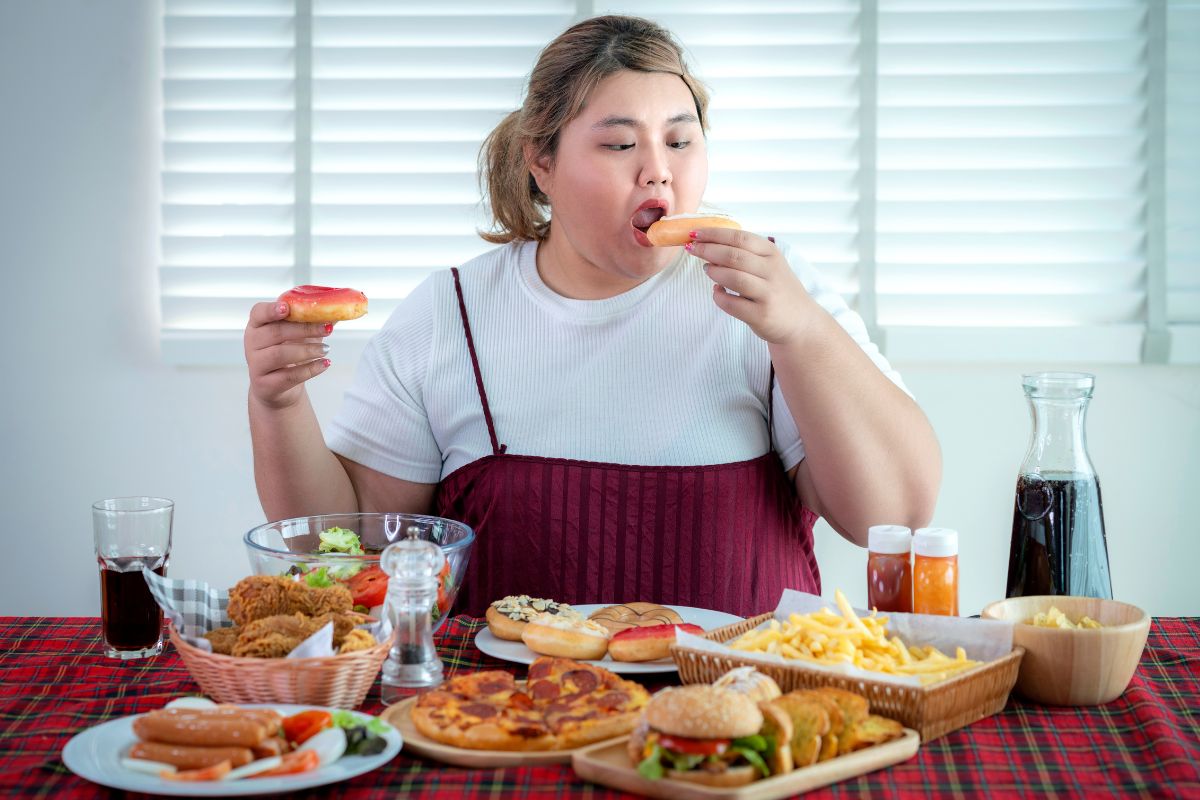
If you’ve ever found yourself reaching for crisps or cookies late at night, you’re not alone. Junk food cravings are one of the toughest habits to break. With fast food chains on every corner and tempting ads flooding social media, resisting unhealthy snacks can feel impossible. But understanding why these cravings happen — and learning how to manage them — can make all the difference.
This article goes into the psychology, science, and real-life strategies on junk food craving based on EEAT principles of Experience, Expertise, Authoritativeness, and Trustworthiness to provide you with true and useful tips.
Why Do We Crave Junk Food?
Desiring salty, sweet, or fatty foods is not simply a claim of willpower. There is a considerable biological and psychological basis.
When you consume junk food, your brain gets a hit of dopamine, the “feel-good” chemical that releases a temporary feeling of pleasure. This reward cycle makes you want more, even if you’re not hungry. And foods high in sugar and fat activate the same parts of your brain that are activated by addictive drugs — and that’s why “just one bite” never remains at one.
Other important considerations are:
- Sleep loss increases hunger hormones (ghrelin) and decreases fullness hormones (leptin).
- Stress activates emotional eating as a coping response.
- Nutrient deficiencies, like insufficient protein or magnesium, that lead your body to seek sources of rapid energy.
- Habitual Patterns, like watching TV while eating or scrolling on your phone.
As Harvard Health Publishing states, the brain’s pleasure centers might make us absolutely crave high-fat, high-sugar foods — even though we know we should be eating healthier.
Most Likely Triggers for Junk Food Cravings
Knowing what is causing your cravings is half the fight. These are the most likely culprits:
- Emotional Triggers – Stress, unhappiness, or boredom lead individuals to comfort foods.
- Social Situations – Office parties, fast food restaurant outings, and celebratory treats encourage indulgence.
- Advertising Impact – TV ads with images of juicy burgers or rich desserts can cause people to crave on a subconscious level.
- Sleep and Appetite – Tiredness causes your mind to crave quick calories as energy.
- Dehydration – Hunger pains can be thirst.
Tip: Maintaining a “craving diary” assists in recognizing patterns and triggers and working on them over the long term.
How to Break the Craving Habit of Junk Food: Real Strategies
You don’t have to give up junk food altogether to regain control. Instead, build small, sustainable habits that naturally squelch cravings.
1. Well-Balanced Meals
Add protein, fiber, and healthy fats with each meal. These keep you satiated longer and level out blood sugar to avoid hunger spikes.
Tip: Replace a bag of chips with Greek yogurt and nuts or a banana and peanut butter.
2. Drink Plenty of Water
Thirst may sometimes disguise itself as hunger. Have a glass of water before grabbing a snack — you may find you weren’t hungry at all.
3. Eat Slowly
Don’t grab a snack while you’re on the go. Sit down and graze, and enjoy it slowly. Pay attention to the taste and texture of your snack. This lets your brain know that you’re full sooner.
4. Don’t Have Junk Food in the House
It’s easier to resist temptation when it’s not in your pantry. Instead, keep your pantry filled with healthy snacks such as fruit, nuts, and popcorn.
5. Plan Your Meals
Meal planning takes decision fatigue out of the equation — a major culprit behind unhealthy snacking. Plan healthy options in advance.
6. Get Enough Sleep
A regular sleep schedule regulates hunger hormones and craving hormones. Get 7–9 hours at night.
7. Permit Occasional Treats
Avoiding junk foods completely can have the reverse effect and result in a future binge. Rather, use the 80/20 guideline: healthy 80% of the time and sometimes indulge.
Psychological and Lifestyle Advice
Cravings are not just physical — they’re emotional and behavioral as well. This is how to deal with them in your head:
- Identify Habit Loops: Cravings tend to follow the cue → craving → reward sequence. Swap the “reward” with an upgrade, such as a brief walk or fruit smoothie.
- Cut Stress: Meditation, yoga, or controlled breathing can decrease cortisol levels, which propel emotional eating.
- Keep Busy: Cravings often strike when you’re bored. Engage in activities like journaling, reading, or hobbies.
- Set Small Goals: Instead of vowing to give up junk food forever, start with teeny tiny steps, such as staying away from sweet drinks for seven days.
Research on behavior published in the “National Institutes of Health (NIH)” shows that healthy awareness has a powerful effect on preventing emotional eating incidents.
Myths About Overcoming Cravings
Much misinformation on how to combat cravings is available on the web. Let’s debunk some myths:
- Myth 1: “Restricting junk food altogether is ideal.”
Removing foods completely enhances cravings for them. Moderation is better.
- Myth 2: “Cheat meals boost your metabolism.”
There is no science behind it. Cheat meals are okay for mental equilibrium but will not boost fat burning.
- Myth 3: “Healthy food is unsatisfying.”
Whole foods, if cooked well, tend to be even more delectable and gratifying than processed snack foods.
Long-Term Outcomes and Sensible Expectations
Breaking the junk food addiction is not a snap. It may take your taste buds and brain 2–4 weeks to adjust to it. Begin gradually, monitor progress, and give yourself small rewards — such as substituting soda with water or avoiding dessert twice a week.
Do not fall for fad diets and detoxes that guarantee overnight results. They fail to correct the underlying reasons for cravings and will actually damage your metabolism.
Final Thoughts
Lusting after junk food is okay — but manageable with sensibility, restraint, and healthier habits. Listening to the signals of your body, nourishing your body with healthy meals, avoiding stress, and releasing the need for flexibility will enable you to relish the pleasure of food without the burden of guilt or indulgence.
Progress, not perfection, is what works. Each healthier habit you embrace today reduces tomorrow’s craving — one conscious bite at a time.
Frequently Asked Questions (FAQ)
1. How can I avoid junk food cravings instantly?
Have a glass of water first — hunger may be disguised as thirst. Take a short walk or chew sugar-free gum. If this doesn’t work, grab a protein snack such as nuts or yogurt to remain fuller longer.
2. What are some of the best chips and sweet alternatives?
Replace chips with air-popped popcorn, roasted chickpeas, or baked vegetable crisps. Treats need to be replaced with dark chocolate, frozen fruit, or honey-based yogurt for a health boost.
3. Does staying hydrated suppress hunger?
Yes. Keeping your body hydrated will help your body know the difference between hunger and thirst. Drink water before meals to suppress hunger naturally and prevent overeating.