It’s about 80% of every breath you take, and most of us never think about it. Nitrogen is working behind the scenes in contemporary life, accomplishing some of the most critical things you never noticed. You find it in the bag of crisps in your cupboard, the storage tanks of every IVF clinic in the nation, the manufacturing lines that create your gadgets, and maybe even the tires of your car, once you know where to look.
Here’s a rundown of where nitrogen really shows up in 2026, why it matters, and what makes this one inert, plentiful gas so essential for so many diverse sectors.
A Quick Refresher on Nitrogen
Nitrogen is a colorless, odourless, tasteless gas that makes up around 78% of the Earth’s atmosphere. It has a reputation for being chemically unreactive at normal temperatures, a dull characteristic until you realize that this is the same quality that makes it helpful.
Oxygen is hot to trot by contrast. It corrodes metal, oxidises food, sustains combustion, and damages sensitive components. But nitrogen performs none of these things. Nitrogen is the first tool you usually look for when you wish to exclude anything from oxygen, moisture, or contamination.
Nitrogen and the Food You Eat
Open a new packet of crisps, and you will see it is not full of chips. Inside, nitrogen is used as the cushioning gas, replacing the oxygen that would otherwise render the contents stale and mushy in a matter of days.
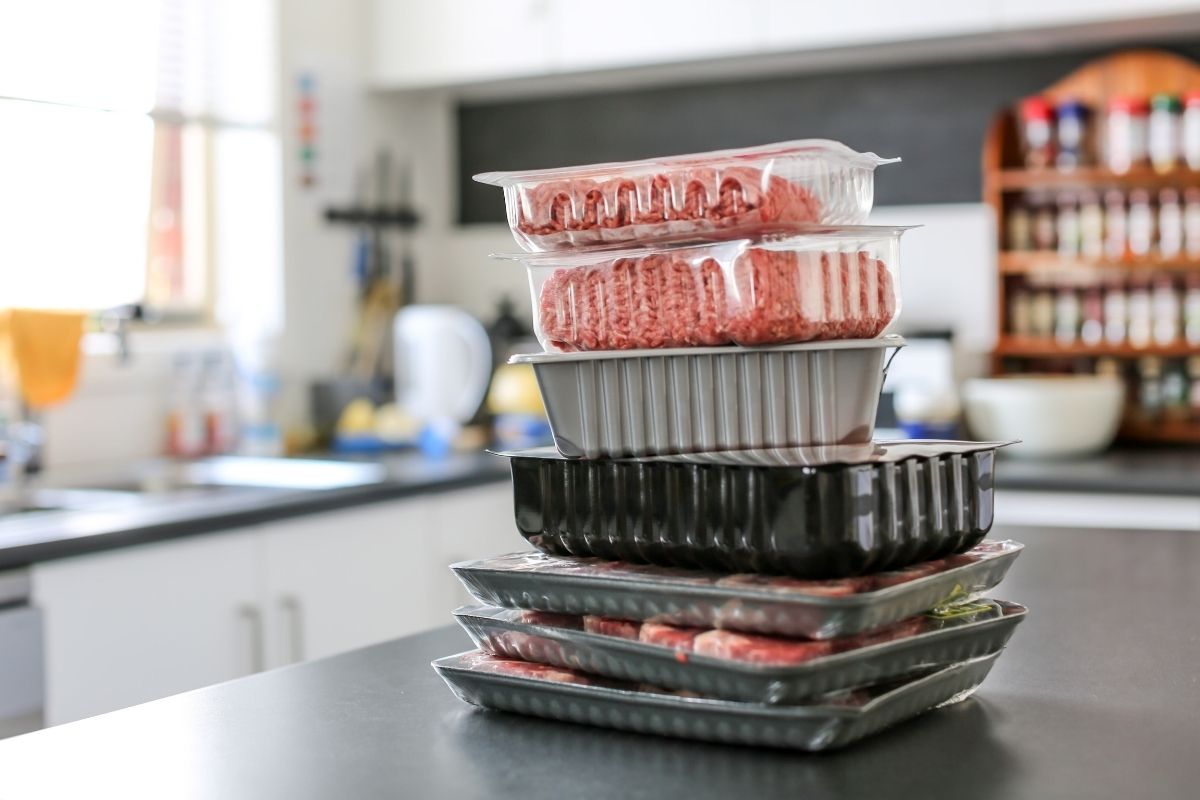
The same approach – known as modified environment packaging – is employed for pre-cut bags of lettuce, sliced meat, fresh pasta, ready meals, and a broad range of grocery items. Take out the oxygen and replace it with nitrogen, and the chemistry of rotting slows and the shelf-life leaps. That’s one subtle reason why contemporary food logistics works the way it does.
Nitrogen in Medicine and the Laboratory
Liquid nitrogen (the chemical that makes flowers brittle in classroom science displays) has a broad list of critical medicinal duties.
Biological samples that need to be kept for years are stored in liquid nitrogen. These include: embryos, eggs, sperm, stem cells, tissue samples, and some forms of vaccination. At minus 196 degrees Celsius, biological activity pretty well ceases. That’s just as well if you might wish to store something for decades. It is the backbone of the IVF business. All fertility clinics in Australia have liquid nitrogen storage with cryopreserved embryos waiting for transfer cycles. There are hundreds of thousands of samples stored in continuous nitrogen storage in the Australian IVF sector at any one time.
It is also used by dermatologists and general practitioners in cryotherapy – freezing off warts, skin tags, and certain skin diseases. The method has been around for more than a century, and its continued popularity is due to its precision, speed, and understanding.
Nitrogen in Manufacturing and Electronics
Most current electronics are built in situations where stray oxygen is a hazard. Controlled atmospheres are utilized for soldering and reflow procedures, delicate chemical reactions, and pharmaceutical manufacturing, and nitrogen is typically the gas of choice for creating them. Semiconductor fabrication operations use constant nitrogen supply lines because even small amounts of oxygen or moisture during a wafer process might ruin an entire manufacturing cycle.
Argon, another inert gas also obtained from the same environment by the same air-separation plants, takes on responsibilities that nitrogen isn’t quite suited to. Argon is used in specialized light bulbs and to shelter molten metal in casting work. Its most common use is in inert-gas shielding for welding. Today, most of the industrial inerting being done in Australia is using nitrogen and argon.
Pharmaceutical production is a very difficult scenario. Active compounds liable to oxidise on exposure to air are covered with nitrogen during manufacture and packing. Fine chemicals and specialist meals and some industrial coatings, they are the same.”
Nitrogen on the Road and in the Sky
If you’ve heard that your automobile tires should be filled with nitrogen instead of air, the logic is simple. Nitrogen molecules are a little bigger than oxygen molecules and diffuse more slowly through the tire wall, so the pressure is more constant for a longer time. Nitrogen tyres are also more responsive to temperature changes, which is important in motorsports and on commercial airplanes.
Airlines often fill their tires with nitrogen, not just for pressure stability but to lessen the risk of fire in hard landings. Motor racing works for the same reasons, by the same reasoning.
Nitrogen in Beverages
If you’ve ever ordered a Guinness or a nitro coffee, you’ve already seen nitrogen in action. The addition of tiny bubbles of nitrogen to a beverage provides a considerably creamier, denser head than carbon dioxide alone. That similar concept has been used internationally for cold-brew coffee, select cocktails, and strong beers.
As well as the flashy applications, nitrogen is used to preserve wine and keep brewery tanks pressurized, and to protect spirits from oxidation during storage.
Why the Supply Chain Matters
Industrial nitrogen is produced at huge air separation facilities, where cryogenic distillation is employed to extract oxygen, nitrogen, and argon from the atmosphere on an industrial scale. For any firm that relies on a continuous supply, a hospital, a food producer, an electronics manufacturer, or a vineyard, the connection with the gas provider is one of the most significant commercial ties they have.
Missed delivery downtime doesn’t only slow down productivity. In some businesses, such as reproductive clinics or pharmaceutical factories, it might endanger priceless samples or interfere with patient care. Good Australian suppliers will include their selection of gases and applications on their website, so companies can match the correct product to the right work before entering into a supply deal. This overview of nitrogen uses is a handy reference to an in-depth look at the many industrial uses of nitrogen, including food, medicinal, manufacturing, and transport purposes.
The Invisible Workhorse
Nitrogen is one of those things that don’t market itself. No brand on the pack of crisps celebrating the nitrogen within, no indication when the dermatologist goes for the cryotherapy canister, no badge on the airplane tire. But once you start looking for it, you start to see how much of contemporary existence depends, behind the scenes, on this one inert, plentiful gas, and on its quieter partner argon working with it in the welding shops, light bulbs, and casting foundries that nitrogen leaves alone.
The next time you crack open a new bag of chips or settle down to a nitro coffee, you’ll know exactly what’s performing the silent job behind the scenes.