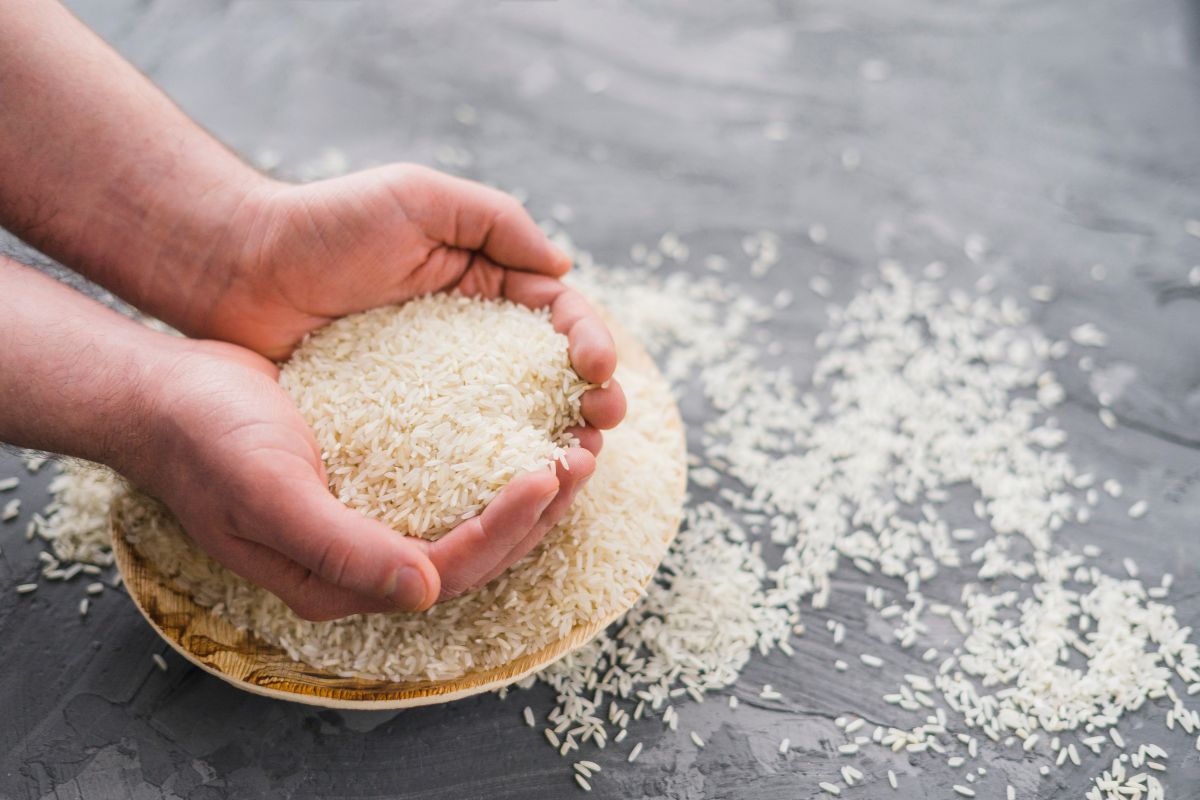
Basmati rice, with its scented smell, long strands, and shiny texture, has been a cherished delight in every household in the world for centuries. Its popularity is increasing, driven by global culinary culture and increasing consumers’ interest in high-quality and authentic grains. For export business firms, access to current information in the basmati rice export market is significant to be competitive and meet the requirements of quality-conscious buyers.
1. Enhanced Global Demand for Quality Basmati Rice
Individuals in the current era are being choosy about the quality and origin of their food products. Following this trend, superior quality basmati rice varieties such as aged and organic have seen a rise in demand. Traders are responding by being consistent in quality and maintaining high standards of certification, such as ISO, HACCP, and organic. Quality basmati rice is very much in demand in Middle Eastern, European, and North American nations, providing huge business opportunities for companies engaged in the export sector.
2. Emphasis on Sustainable and Ethical Practices
Sustainability is not on the menu of the global food industry. Nowadays, consumers are seeking green practices like water-saving cultivation, organic farming, and fairtrade practices. Even basmati rice exporters are leading the way by having transparent supply chains and procuring rice grains that are ecologically and ethically friendly.
3. Advancement of rice processing technology
Emerging technology is transforming basmati rice milling and packaging. New mill technologies, automation, and quality control equipment allow exporters to guarantee consistent grain length, aroma, and texture, which are vital selling criteria in overseas markets. Smart packaging technologies also maximize shelf life and improve product appearance, which will be attractive to quality-and-convenience-oriented consumers. The enabled technologies allowed exporters to upgrade operations economically without compromising the premium characteristics of basmati rice.
4. Changing Consumer Patterns
Consumers worldwide are trying out different cuisines nowadays, which has increased the demand for authentic ingredients. Basmati rice, because of its unique flavor and application, has become the restaurant favorite as well as the family favorite. Conscious consumers also like basmati rice because it possesses a low glycemic index and high nutritional content. Exporters have to be careful about these preferences so that products suitable for changing tastes and lifestyles reach them.
End of the tour.
5. E-Commerce and Digital Transformation
The rise in e-commerce has revolutionized the way of interaction between exporters of basmati rice and foreign consumers. Channels of the internet provide rapid access to new markets, enable real-time tracking, and make supply chain management hassle-free. Social media websites, web platforms, and electronic marketing habits are being utilized by the majority of exporters to gain increased visibility and secure international clients. Companies embracing digital technologies can respond more rapidly to market and customer needs trends, thus remaining competitive.
6. Compliance with Trade Policy and Regulation
Export of basmati rice must be regulated under strict international trade regimes, e.g., import taxes, quality control, and phytosanitary procedures. Compliance with these conditions is inevitable in guaranteeing hassle-free trade and reputation in export markets. Main basmati rice exporters are interested in lawful compliance, documentation, and quality control to avoid supply chain closure and ongoing relations with foreign customers.
7. Markets Diversification and Competitive Pricing
While superior quality is a crucial selling point, there are some pricing strategies necessary to capture and maintain customers. Exporters attempt to balance cost competitiveness with maintaining superior standards. Diversification of markets also reduces dependence on a sole market and evens out risks in the case of changing demand.
For firms that are interested in expanding their businesses across borders, there is a need to have a reliable basmati rice exporter. A reliable exporter can deliver consistent goods, compliance with policies, and timely shipping, which are essential in delivering customer satisfaction and long-term relationships.
8. Innovation in Packaging and Branding
Packaging has become one of the primary forces behind consumer choice. Exporters are embracing attractive, environmentally friendly packaging that preserves the quality and flavor of basmati rice and impresses consumers overseas. Effective branding and correct labeling, highlighting origin, certifications, and quality specifications, can also generate a market image and help in high-end pricing.
9. Strategic Partnerships and Supply Chain Optimization
Successful exporters focus on close relationships with distributors, logistics intermediaries, and suppliers. Successful supply chain management facilitates the delivery of rice to foreign markets in the highest quality, maintaining no wastage and ensuring maximum profitability. Well-planned partnerships with value chain constituents can transcend obstacles and seize future trends in the rapidly changing basmati rice business.
Conclusion
The basmati rice export business is evolving fast due to rising demand across the globe, sustainability trends, technological developments, and changing consumers’ tastes. Exporters that are innovative, possess high-quality standards, and respond quickly to market forces have excellent opportunities to thrive in the highly competitive market. For businesses, remaining attuned to trends such as these ensures that high-quality basmati rice remains set upon dining tables around the globe, delivering quality and satisfaction. By remaining current with market trends and selecting a suitable partner, businesses can effectively participate in the global basmati rice market and uncover new fronts for growth.