Konjac, a root-derived product, Amorphophallus konjac, is quickly becoming a multi-industry product across the health, food, and wellbeing industries worldwide. Konjac was centuries ago a traditional Chinese and Japanese food and medicine. Due to its nutritional value, low-calorie content, and functionality for new-age food and cosmetic industries, it has emerged as the number one superfood with cross-industrial value.
What is Konjac?
Konjac is a perennial plant with its root having been processed into glucomannan, a soluble fiber. Glucomannan is the active nutrient responsible for the health benefits of konjac. Water-soluble, glucomannan hydrates the digestive system and becomes a gel-like material that drains stomach contents, retards digestion, and creates feelings of satiety or fullness. Such makes konjac an old acquaintance to weight management, healthy digestion, and blood sugar control.
Konjac comes in numerous forms, such as:
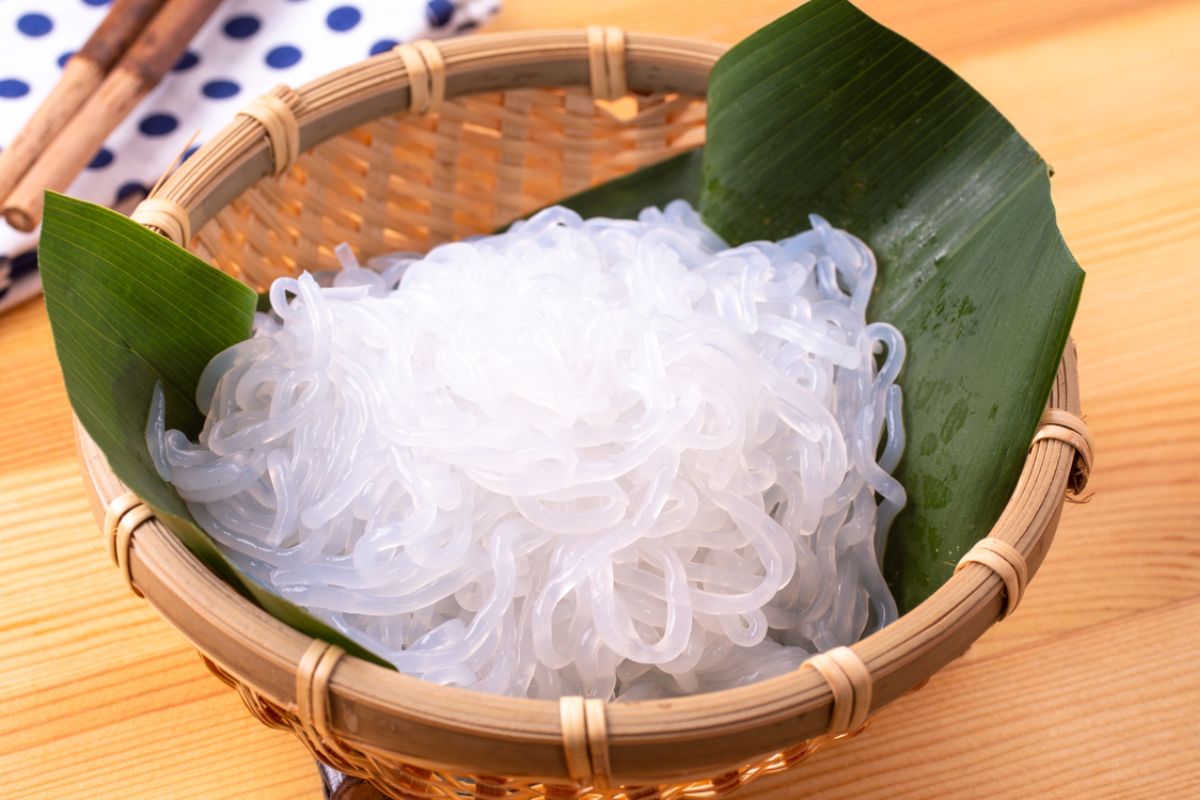
Shirataki Noodles: Low-calorie, gluten-free pasta alternatives that have gained widespread popularity globally as a low-calorie alternative to pasta.
Konjac Flour: Thickeners added as an ingredient food additive.
Konjac Jelly: A Sweet, jelly food dessert eaten by the majority of consumers in the Asian marketplace.
Konjac-Based Beauty Products: Konjac sponges and powders are used as moisturizers and exfoliants for the beauty products industry.
Health Benefits of Konjac
1. Bowel Health
The main soluble fiber from konjac, glucomannan, works effectively to ensure regular bowel movements and bowel health. Glucomannan works by absorbing water and creating a gelatinous sticky texture, slowing the bowel transit and avoiding constipation. Glucomannan is also a prebiotic that promotes regular healthy gut bacteria responsible for maintaining overall bowel health.
2. Weight Regulation
Konjac is found to be used extensively in weight-reduction schemes because it contains a high fiber content and fewer calories. Glucomannan, once consumed, swells up in the abdomen and gives a sense of fullness and thus curbs calorie intake as a whole. It has been confirmed through research that the incorporation of konjac in the diet aids a person in maintaining a healthy weight loss under the guidance of an exercise routine and a healthy diet.
3. Blood Sugar Control
The konjac fiber in gel form slows the rate of absorption of sugar in the intestine, leading to a slower increase in blood sugar upon consumption. Konjac is thus an ideal food for individuals who would want to manage blood sugar or minimize insulin spikes. It is also low in glycemic index, another reason for including it in diabetes diets.
4. Cholesterol Control
Glucomannan has also been associated with enhanced lipid profiles, including decreases in total and LDL (“bad”) cholesterol levels. It increases bile acid excretion from the gut and decreases the absorption of cholesterol, both heart-friendly.
5. Detoxification and Hydration
Its high fiber content usually triggers natural cleansing through the assistance of waste elimination. On top of that, konjac food and beauty products are active in bringing hydration either as water uptake inside the intestines or moisturizing when used on the skin.
Culinary Uses of Konjac
The adaptability of konjac also reveals itself to the chef, where it is valued for its ability to retain flavor and texture with no caloric or carb effect. Some of the more broad day-to-day uses are:
Shirataki Noodles: Clear, jelly-like noodles low in calories and carbs and therefore perfect for keto, low-calorie, or gluten-free diets. They are frequently mixed into soups, stir-fries, and salads.
Konjac Jelly Snacks: Low-chewy, slightly sweet, and consumed as snacks in all Asian nations, originally fruit-flavored.
Thickening Agent: Konjac flour may replace starches in gravies, sauces, and soups to provide a silky feel with dietary fiber.
Weight-Management Foods: The majority of konjac-filled bars, gels, and supplements are marketed to feel full and support a healthy diet.
Konjac in Beauty and Skincare
Konjac is both a superfood and a functional beauty and skincare ingredient. Konjac sponges, which are made from the plant’s root in fibrous form, gently exfoliate to freshen and cleanse chemically free skin. Konjac powder is also applied in face creams and masks to enhance hydration and skin feel. Its all-natural, plant-based source appeals to naturals who desire natural and sustainable beauty and skincare products.
Global Market Trends
The worldwide konjac products market is growing on account of heightened health awareness, plant-based foods, and low-calorie foods. Markets are emerging in North America, Europe, and the Asia-Pacific regions owing to keto, veganism, and functional foods.
The konjac industry has different segments: food and beverage, dietary supplements, and personal care. With increasing awareness towards health, business families are investing in money for product development, green sourcing, and convenience products such as ready-to-eat food from konjac.
Entrepreneurs, investors, or stakeholders interested in learning more about market dynamics, competitive dynamics, and opportunities to expand find the Konjac Market offering stringent analysis and strategic intelligence.
Challenges in the Konjac Business
Although profitable, the konjac industry has some vulnerabilities:
Quality Control: Waste and inconsistent processing methods taint the fiber content and general effectiveness of konjac products.
Consumer Knowledge: The company is growing in popularity, but in Western economies, there are relatively unrecognized consumers unfamiliar with konjac and its application.
Sustainability: Excessive harvesting and incorrect farm techniques can put the natural supply of the konjac plant at risk.
Taste and Texture: Konjac food is novel to some consumers, and such could restrict mass adoption.
Achieving such challenges entails increasing supply chain transparency, consumer awareness, and product innovation creativity in a bid to make the food more palatable and convenient.
Best Practices for Consumers and Firms
Set Clear Goals: Consider whether the konjac food is for weight loss, consumption of dietary fiber, or cooking.
Assure Quality and Safety: Buy from trusted suppliers to ensure purity and effectiveness.
Monitor Storage and Use: Safe konjac product storage to preserve freshness and texture.
Educate the Consumer: Emphasize health benefits, flexibility, and safe use practices to promote usage and enjoyment.
The Future of Konjac
The future of konjac is bright. As the global trend towards functional food, plant-based eating, and green ingredients becomes stronger, there is space for konjac to emerge as a daily wellness and health ingredient. Process refinements, taste profile, and presentation will transform it from the niche.
Konjac is not just a food; it’s a do-it-all plant for beauty, kitchen, and health. Its multi-functionality, low-calorie profile, and soluble fiber content make it an industry-leading superfood and functional ingredient in markets. Complete market analysis reports, growth projections, and possibilities are found within the Konjac Market, a strategic planning tool.